
- Our Services
Challenge We Tackle
You will talk to Avinash, not a sales rep.
50Cr+Ad spend managed50+Brands served7Industries - Resources
Innovative Thinking


You will talk to Avinash, not a sales rep.
The problem. A clinic invests in a website, runs city-wide advertising and produces educational content. Enquiries arrive from across the city, most of them from people who will never travel that far, and the appointment book stays half empty.
For most clinics, the addressable market is considerably smaller than the city. It is roughly the distance a patient will reasonably travel, which for routine care is short.
Advertising city-wide means paying to reach people who will choose somebody closer, competing against every clinic in the city rather than the four nearby, and diluting a budget that would dominate a smaller radius.
There is a clinical cost too. Patients who travel far for a first appointment are less likely to return for follow-up, and in most practices the value is in continuity rather than in the first visit.
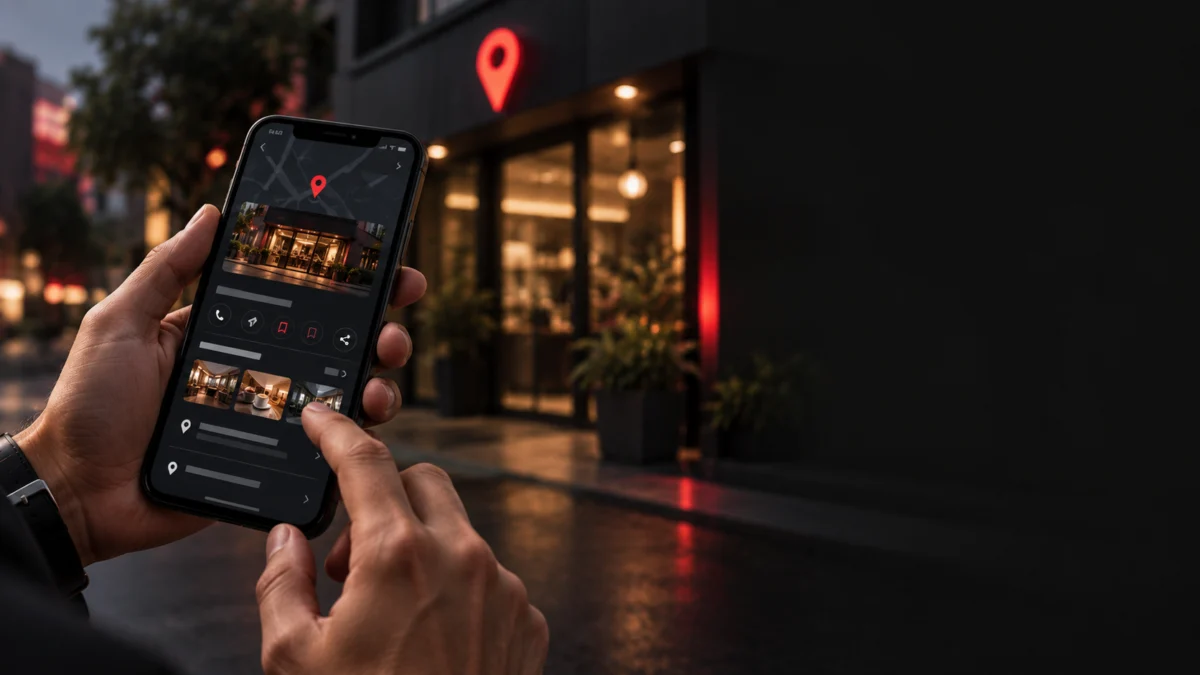
For nearby searches the map result is usually more influential than any website, and it is what appears when somebody searches for a clinic while standing in their neighbourhood.
The fields that matter: correct primary specialisation, complete and accurate hours, real photographs of the premises and the practitioners, and services listed individually rather than as one entry.
Accurate hours matter more here than in most sectors. A patient who arrives at a clinic listed as open and finds it shut does not simply leave, they leave a review.
Healthcare is a trust purchase made under some anxiety, and patients read reviews more carefully than in almost any other category.
Ask for them at the moment of relief, which is usually just after a successful appointment rather than days later. Reply to all of them. Reply to negative ones calmly, without discussing any clinical detail, and move the conversation offline immediately, because responding with patient specifics in public is a confidentiality breach regardless of provocation.
Not your equipment list. In rough order of how often it decides the appointment:
A meaningful share of patients, particularly younger ones, will not call. If the only route is a phone number answered during clinic hours, you are losing the people who decided at ten at night.
WhatsApp is usually the highest-converting option in India, and it needs to be answered by someone who can actually offer an appointment slot.
The cheapest patient acquisition available is the patient you already treated. Six-month check-ups, annual reviews, follow-up appointments that were recommended and never booked.
Most clinics have this list and never use it. A reminder sequence against existing records outperforms almost any advertising spend, and it costs nothing beyond the effort of setting it up.
Win the few kilometres around you before advertising to the city. Fix the map listing, build recent reviews, publish availability and fees, allow booking without a call, and use your existing patient records before buying new ones.
Our health and wellness marketing page covers local patient acquisition, or tell us your catchment and we will tell you what your local presence looks like.

Question about SEO, ads or leads? Ask away.
 How can we help?Ask our assistant, or talk to a human.
AI can make mistakes. For quotes, use WhatsApp.