
- Our Services
Challenge We Tackle
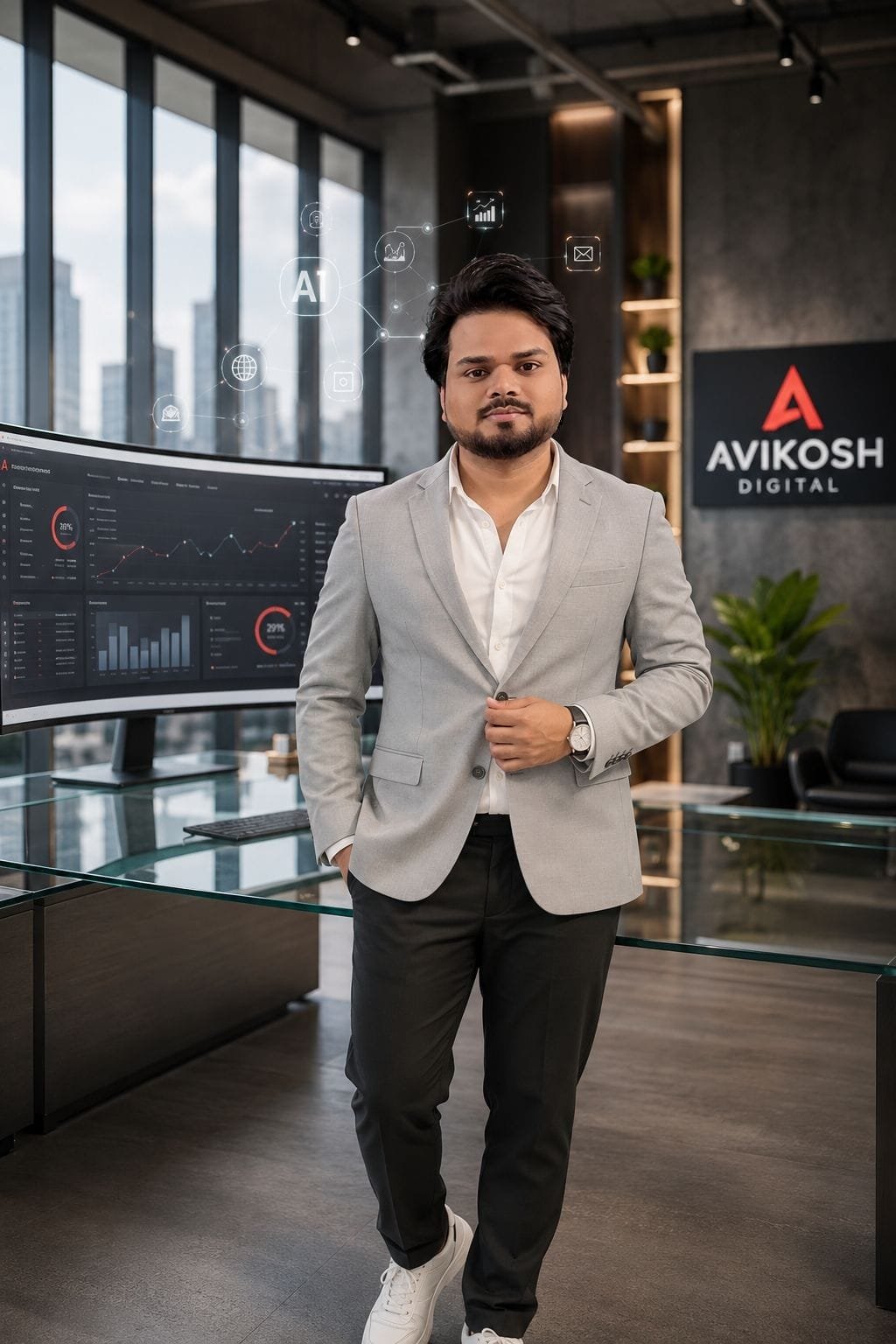
You will talk to Avinash, not a sales rep.
50Cr+Ad spend managed50+Brands served7Industries - Resources
Innovative Thinking


You will talk to Avinash, not a sales rep.

The problem. A small business decides to take digital marketing seriously and starts everything at once: a new website, daily Instagram posts, Google Ads, Meta Ads, SEO and an email newsletter. Three months later, the budget is spread thin, nothing has enough data to judge, and the owner concludes that digital marketing does not work for their business.
Small budgets work best when concentrated. The first 90 days should build a foundation, prove one channel and fix follow-up, in that order.
Pick the single action that matters most: calls, form enquiries, WhatsApp chats, store visits or online orders. Estimate what a customer is worth and roughly how many enquiries it takes to win one. This tells you what you can afford to pay per enquiry.
Choose the channel that best matches how customers find you. If people search for your service, start with Google Search. If you need to create demand and have good visuals, start with Meta. Our comparison of Google Ads vs Meta Ads helps decide.
Keep campaigns simple, targeted to your real service area, and review search terms or lead quality weekly. Record which enquiries turn into customers.
A full website rebuild, heavy SEO content programmes, influencer campaigns and daily social posting can all wait until you know what customers respond to. Organic social media has a role, but a limited one early on, as explained in what organic social media can and cannot do.
Plan for three costs: ad spend, tools and setup, and either your own time or professional management. If you can fund only part, reduce ad spend before cutting tracking or follow-up. A smaller budget through a working system beats a larger one through a leaking system. For market ranges, see what digital marketing costs in India.
Enough for one channel to gather meaningful data, plus tracking and follow-up. Work backward from what a customer is worth.
For enquiries within 90 days, usually ads and the Google Business Profile. Social media builds trust but rarely produces predictable leads early.
Usually not. A focused landing page and a strong Google profile can start producing enquiries while the website is improved later.
One goal, one foundation, one channel, then follow-up and gradual scaling. Concentration beats coverage for small budgets. Our lead generation services follow this sequence. Tell us about your business and we will outline your first 90 days.

Question about SEO, ads or leads? Ask away.
 How can we help?Ask our assistant, or talk to a human.
AI can make mistakes. For quotes, use WhatsApp.